

What a Trigger Actually Is
A trigger is anything that reliably pushes you toward using. That’s the core of what addiction triggers are, and their full scope usually extends further than most people expect.
Most people can list two or three obvious ones. The corner bar, an old friend from that time period in your life, a heated argument. Those rarely cause real trouble, because we know to watch out for them. The ones that do the most damage are the ones nobody considered in the first place.
The Cue and the Craving
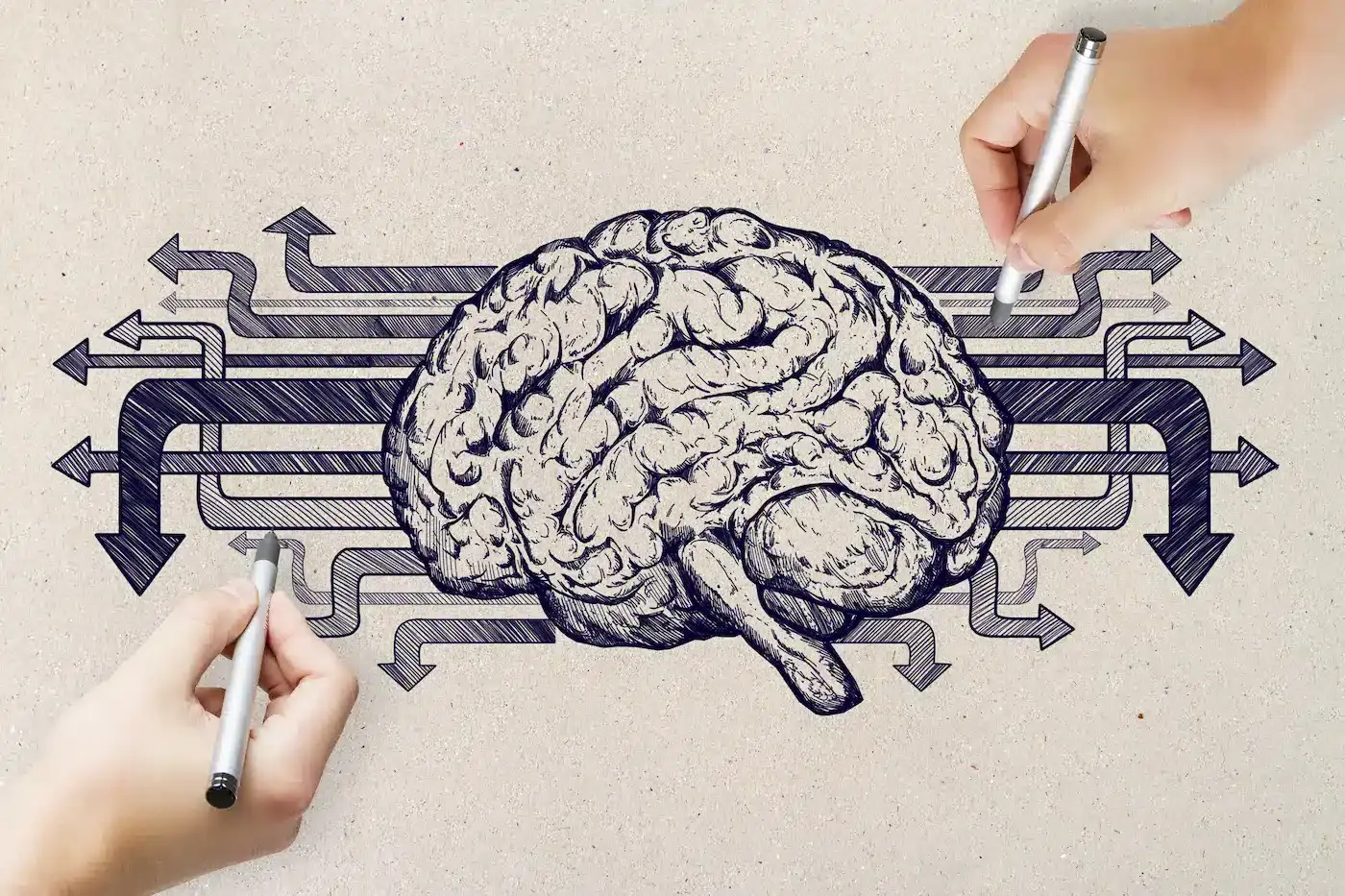
Your brain spent years learning that specific things came right before using. The drive home, a certain chair, a time of day, the click of a can opening, the feeling after a hard phone call.
Those connections don’t disappear just because you stopped using. A cue shows up, and craving follows before conscious thought can catch up, which is why willpower feels useless in that instant. The reaction has already started by the time you notice it.
Research tracking brain response to drug-related cues across a full year of sobriety found reactivity ran higher at one month and six months than at two days or twelve months. Feeling calmer at month three doesn’t mean cue sensitivity has dropped.
Why Triggers Feel Physical
Why do they feel physical? Because they genuinely are physical. A craving isn’t just a thought passing through. It shows up as a racing heart, a knot in your stomach, restlessness, or tightness in your chest or jaw.
If you wait for a craving to solidify as something you can debate mentally, you’ll miss the first sixty seconds: exactly when you have the most control.
External Triggers

People
This goes beyond people you used with. It includes anyone who makes you tense, for example, a relative who always starts a fight or jerks your chain. Try writing two separate lists: people you used with, and people you needed a drink just to tolerate. The second list tends to be a bit longer, and may hold some surprises.
Places
Bars and old neighborhoods are the obvious ones. Less obvious: your own kitchen at a certain hour of day, a specific stretch of road, a spot near work. Anywhere that use happened repeatedly becomes a cue, even places you can’t realistically avoid.
Objects and Sensory Cues
A particular glass. An ad for a certain brand. Ice clinking in a cup. A seemingly unrelated smell. A song. A show you always watched while using. These catch people off guard because they seem too small to matter, yet small cues often trigger outsized cravings.
Money and Payday
Cash in your pocket is its own trigger, and payday is often a flashpoint. Handle it with systems, not willpower. Set up automatic transfers, hand the card to someone else for a while, or schedule direct debits for the day money arrives.
Dates and Anniversaries
Birthdays, the anniversary of a loss, holidays, even the anniversary of getting sober can catch people off guard. Most people are surprised by the last one, but it is often triggering nonetheless. Scan the calendar ahead of time so that you can build a plan around the dates you already know will be tough.
Internal Triggers

HALT, and Why It Falls Short
HALT stands for Hungry, Angry, Lonely, Tired. It comes from mutual aid groups rather than a lab, and it works well because it’s very simple to recall in a moment when nothing complex will register.
It does have limitations, though: it skips just as much as it covers. Boredom isn’t in it. Rejection isn’t in it. Neither is success. Use HALT as a starting point, but don’t let your contingency plan end there.
Boredom
Boredom gets severely underestimated, and it’s more dangerous than people assume. Once the hours that using substances filled are gone, the day has noticeable gaps in it, and those gaps hit hardest in the evenings and on weekends.
Motivation won’t fill them, but a busy schedule will. Plan something for the evenings you already know will be rough, well before you get there.
Loneliness and Rejection
Loneliness makes it into HALT. Rejection doesn’t, and it often cuts much deeper. Getting left off an invite. A text that goes unanswered. Being passed over for something. When we feel rejection, there’s often an internal narrative attached, often about being unwanted or not good enough. That story is almost always harsher than what truly happened.
Anger and Resentment
Anger is listed in HALT, and it would be unwise to skim past it, even if you don’t consider yourself a particularly angry person. Resentment, the slow-building kind that lingers for weeks, is more dangerous. It hands you a justification for your feelings, for your actions even, and a craving that feels justified is much harder to sit through.
Success and Celebration
Landing the job. Finishing something difficult. A birthday, a wedding, good news. The urge to celebrate with a drink runs just as strong as the urge to drown a bad day, and it doesn’t register as a warning sign since you’re happy at the time. People prepare carefully for funerals but rarely for promotions. Have a plan in place for both.
The Trigger Nobody Expects: Feeling Better

The most common relapse trigger at month three is simply feeling good again.
Here’s the pattern. Sleep has returned, work feels manageable, people have stopped hovering, and the crisis that started this all looks smaller in the rearview mirror. That distance raises a quiet question: was it really that bad? And if not, maybe one drink would be fine.
The truth is that this isn’t weakness; our memory fades faster than the habit does, and we forget just how bad things were.
Write down, while it’s still fresh, the exact reasons you stopped, in specific detail, and keep that note somewhere easy to find. Treat feeling better as a signal to hold your routine steady, not loosen it. Relapses around the six month mark often come from people who felt completely fine.
How to Map Your Own Triggers
Working Backward From Past Use
Pick the last five times you used, or the last five you clearly remember, and trace back through the 24 hours before each one. Who you talked to. What you felt by early evening. What you told yourself in the final ten minutes.
Patterns show up fast this way. Most people uncover three or four real triggers wearing different disguises, not twenty separate ones.
The Two Week Log
If you take one step from this article, make it this one.
For two weeks, every time a craving hits, jot down four details. It takes roughly twenty seconds.
- Time and day
- Where you were and who you were with
- What you felt in the ten minutes before (bored, angry, tired, restless, fine)
- Intensity, rated one to ten
A notes app works fine. Don’t analyze entries as you write them, since that changes what you record. Once two weeks are up, read the whole log in one sitting.
Most people spot a time of day they never noticed, a person showing up more than expected, and that their strongest cravings came from situations they hadn’t even been watching for.
Asking Someone Who Knows You
Ask a partner, friend, or someone from your recovery group what they notice about you right before things get hard. Brace for an answer that stings, and resist arguing with it. People close to you often catch the shift days before you do, and that early signal is worth the discomfort.
Handling a Trigger in the Moment

The First Sixty Seconds
Don’t try to reason your way through it. Reasoning takes time, and the craving moves faster than thought does. Do something physical instead. Stand up. Step outside. Splash cold water on your face and wrists. Anything that shifts your physical state buys you the minute you need for clear thinking to return.
Urge Surfing
This technique comes straight from relapse prevention work. Cravings behave like waves. They rise, peak, and fade, usually within twenty to thirty minutes, whether or not you act on them. Fighting one head-on tends to make it stronger, the same way trying not to think about something guarantees you will.
Here’s how it works.
- Notice exactly where the craving sits in your body: chest, throat, stomach, or hands.
- Name it without judgment: I feel a tightness in my chest, or restlessness in my legs.
- Breathe steadily and keep observing, staying curious about whether it grows or shrinks.
- Watch it shift.
The goal isn’t to force it away. You’re watching it move through, which teaches you that a craving can pass without you acting on it. Practice on smaller cravings before you rely on it for a big one.
Changing Your Physical Position
This sounds minor but works surprisingly well. Cravings attach to their surroundings, so shifting location weakens the pull and breaks the rumination that intensifies a craving.
Calling Before You Need To
The common mistake is waiting until a decision is nearly made, at which point the call becomes damage control instead of prevention. Reach out the moment a craving starts, not once it’s winning.
Pick your contact in advance, since figuring that out at 9 pm in a rough state adds one more obstacle. Have a backup name ready too, in case the first person doesn’t pick up.
Reducing Exposure Versus Building Tolerance

Early on, you should aim to reduce exposure. There’s nothing to prove, and testing yourself in month one is a risky experiment. Take a different route home. Skip the event. Clear alcohol out of the house.
Later on in your journey, avoidance stops working as a full strategy, since you can’t dodge weddings, work events, your own kitchen, or hard emotions forever. The goal shifts to tolerating cues with support around you, rather than proving something alone. Moving too fast happens more often than moving too slow.
Triggers That Change Over Time
Some triggers fade, especially ones tied to specific places or objects. Others show up later. Complacency tends to appear once life stabilizes. Grief, once you’re able to feel it, often surfaces even later. And the trigger of things going well only shows up once things are, in fact, going well.
Redo the two-week log once a year. What turns up will look different each time.
For Families: Triggers You Might Be Creating

Families of people in recovery are usually running on very little sleep and doing their best, so this isn’t about blame.
Some habits make things harder without meaning to:
- Constant checking, which feels like surveillance
- Bringing up the past in the middle of an argument
- Keeping alcohol visible at home during early recovery
- Treating every low mood as a red flag, which turns normal bad days into interrogations
What helps is asking directly what would be best, instead of guessing; agreeing ahead of time on how to raise a concern; and getting your own support too.
Frequently Asked Questions
Do Triggers Ever Go Away?
Many weaken significantly, especially environmental ones, given time and repeated exposure without using. Most don’t disappear completely. What shifts more than the trigger itself is your response to it. A cue that would have wrecked your whole day in month one becomes something you notice and let pass by year two.
Should I Avoid All My Old Friends?
Early on in recovery, steer clear of the ones you used with. That’s not a judgment on them, and it doesn’t have to be a forever solution, but the association is too strong to manage in the first few months.
Further down the road, the harder question becomes which friendships hold up without using at the center. Some do. Others don’t, and discovering which is which is one of the harder parts of recovery.
What if My Home Is the Trigger?
This is common and usually workable. Clear out alcohol and paraphernalia. Rearrange the room where using happened, since that exact spot carries more weight than the house overall. Change your evening routine, since habit often triggers more than location does. Leave the house during the hardest hour instead of trying to sit through it.
If home genuinely isn’t workable, and sometimes it isn’t, that’s a sign to consider residential treatment or a recovery residence rather than pushing through alone.
Learning This With Clinical Support
You can run the log and mapping process solo, and many people do. The harder part is knowing what to do with what you find.
Cognitive-behavioral therapy (CBT) focuses on the link between a situation, the thought it creates, and what happens next. Dialectical behavior therapy (DBT) adds coping skills for the emotional states that make triggers dangerous. Both work far better with a clinician guiding you than from reading alone. For a wider framework beyond trigger management, see our full relapse prevention plan.
Liberty Bay Recovery Center, located in Portland, Maine, offers residential treatment built on a therapeutic community model, so you’re surrounded by people who recognize your patterns because they’ve lived their own versions of them.
Call us at (855) 607-8758 if you want to talk it through.