


For years, Maine sat near the top of every bad overdose list in the country. That has started to shift. Three years running, fewer people have died from overdose here, not more.
This page covers National Recovery Month in Maine: where the term comes from, how it shows up across the state, and where to turn if September is the month you decide to act.
What National Recovery Month Is
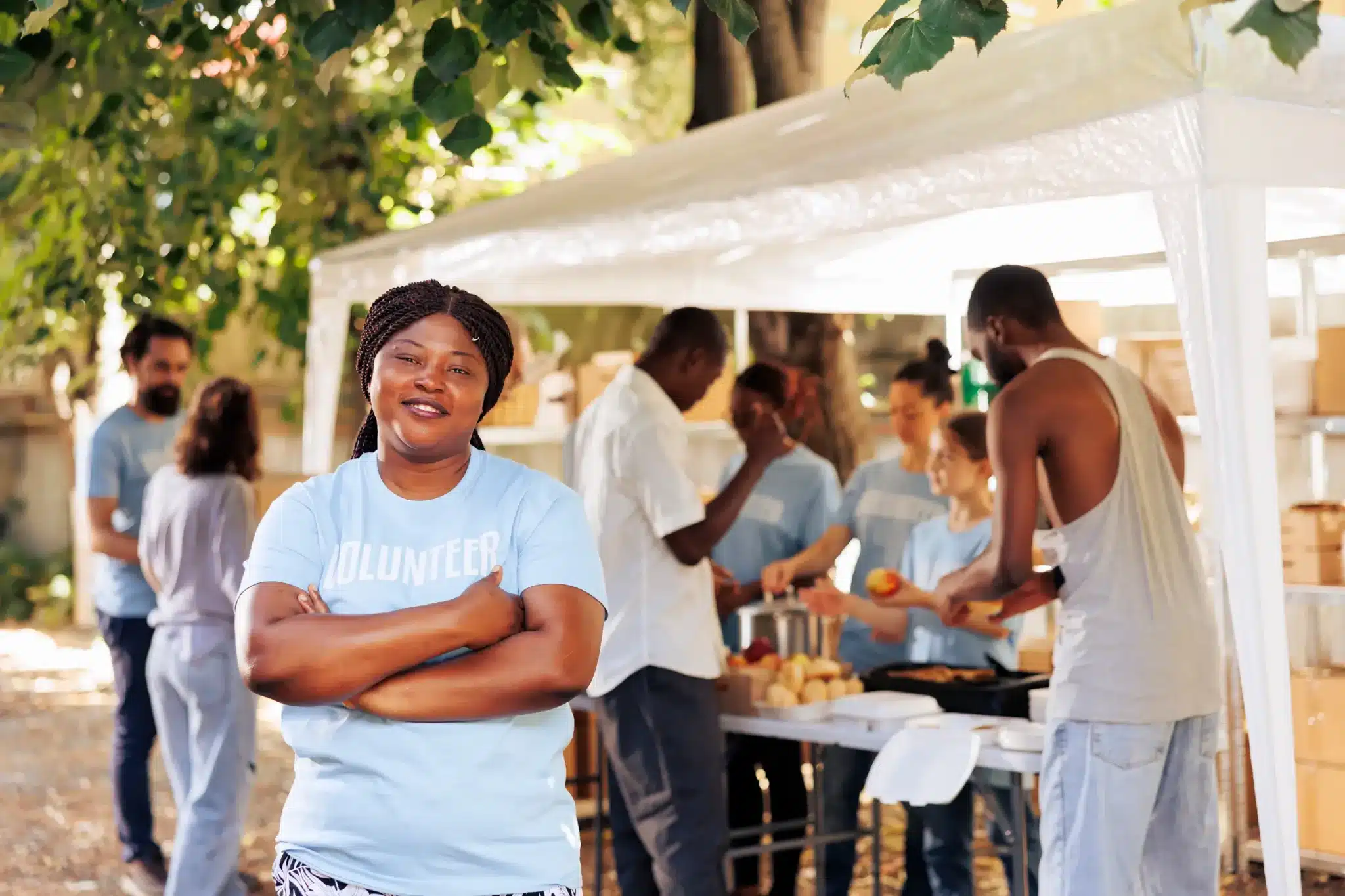
The observance dates back to 1989. It honors people living in recovery from substance use or mental health conditions, along with their families and the workers who support them. SAMHSA runs the national toolkit and campaign materials each year.
Addiction remains one of the few health issues people feel pressure to hide. This month exists to loosen that pressure, even a little.
When It Runs
Recovery Month covers all of September. International Overdose Awareness Day lands the day before, on August 31. In Maine, the two occasions blur together, and many of the state’s biggest gatherings happen on that Monday rather than waiting for September proper.
Why It Lands Differently in Maine
Where Maine Stands on Overdose Deaths
Maine recorded 390 overdose deaths in 2025. That is still 390 families changed forever, but it also marks the first year under 400 since 2019.
Look at the trend line: 723 deaths at the 2022 peak, then 607, then 490, then 390. Non-fatal overdoses dropped too, from 8,040 in 2024 to 7,313 in 2025.
Three Straight Years of Decline, and What Drove It
Three years of decreasing numbers is not luck. People working in the field point to a short list of causes.
- Naloxone access. Nearly 800,000 doses have been distributed statewide since 2019, with over 12,000 documented reversals. Since reporting is voluntary, the true count likely runs higher.
- The OPTIONS program. All 16 Maine counties now pair behavioral health clinicians with first responders, follow up after an overdose, and connect people to care. Recovery coaches have joined many of these teams.
- Broader treatment access. MaineCare now covers roughly 230,000 Mainers, and more than 69,000 have used it for substance use treatment since 2019. Methadone is now available at 15 sites treating over 5,400 patients.
- A shifting drug supply. Fentanyl has become less common in the national supply chain, according to state officials. Maine did not cause this shift, and nothing guarantees it will hold.
What the Numbers Still Do Not Show
- Stimulants are rising. Cocaine has gone from 37% to 48% of fatal overdoses (2023 to early 2026). Meth holds near 30%. No naloxone-equivalent exists for either.
- Non-fatal overdoses aren’t dropping; they’ve held steady or ticked up in 2026, even as deaths fall.
- Progress is uneven. Bangor had 23 fatal overdoses in just the first half of 2026, versus 35 for all of 2025.
Recovery in a Rural State
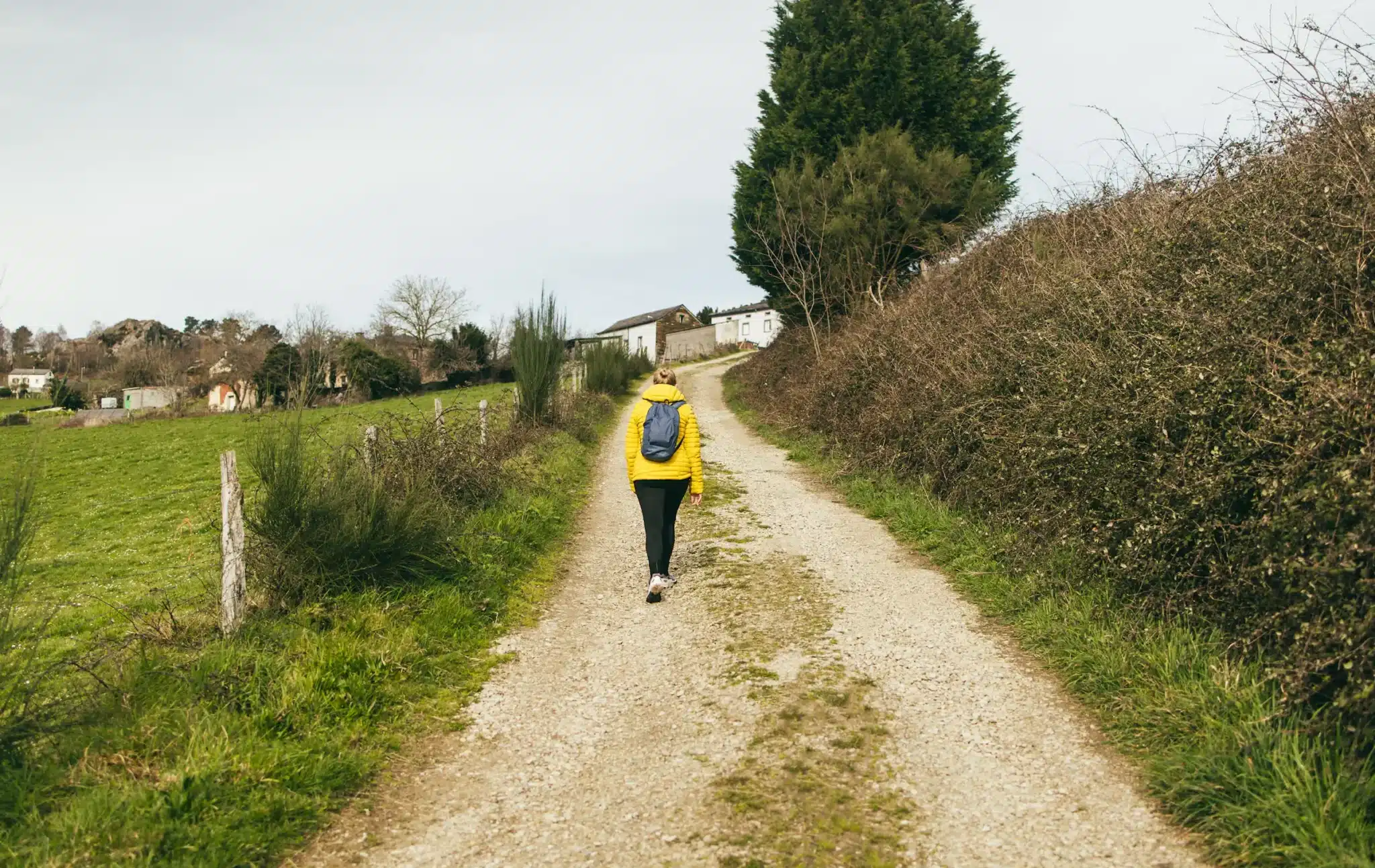
Population density is a significant factor. No other state is more rural than Maine, and that fact drives how recovery care reaches people.
No certified syringe service program exists anywhere in five of Maine’s 16 counties: Somerset, Piscataquis, Waldo, Knox, and Lincoln. Just 10 organizations, running 17 sites total, cover the other 11 counties.
Treatment beds have grown, but not evenly. Of the 140 new beds the state funded in 2023, 128 landed in Greater Portland alone.
Living in Washington or Aroostook County might mean a meeting that requires a two-hour drive, no meeting at all, or a room where everyone already knows your family. In a small town, that last problem is bigger than it sounds.
One real win here: patients no longer need an office visit before starting buprenorphine. A phone or video appointment now works instead, thanks to federal telehealth rules set to stay in place through 2026. Even an audio call counts, which matters plenty in spots where broadband barely reaches.
Recovery Month Events Across Maine
Each event here was confirmed through a public source as of late August 2026, though plans do shift. A quick call ahead of time is recommended to confirm.
Portland
Portland Recovery Community Center, based on Bishop Street, leads local Recovery Month programming and usually stages its Rally 4 Recovery event during mid-September at Payson Park. Milestone Recovery on India Street usually runs its Miles for Milestone challenge during September.
Bangor, Lewiston and Augusta
Wellspring’s 11th Annual 5K Race for Recovery runs Sunday, September 20, 2026, at the Bangor Waterfront. Registration opens at 9 am, and the race starts at 10 am. Sign-up closes September 17.
Two more groups keep busy all September: Bangor Area Recovery Network out of Brewer, and the ME-RAP Access Center on Water Street in Augusta. Downtown Bangor typically holds Recovery-Palooza toward late September.
Rural and Coastal Communities

Healthy Acadia hosts a Recovery Awareness Walk in Ellsworth on Friday, September 18, 2026, from 1 pm to 3 pm at Knowlton Park. It covers about half a mile along Main Street, and no registration is needed.
Three separate events fall on International Overdose Awareness Day, Monday, August 31, 2026:
- Ellsworth, 5 pm to 7 pm, Knowlton Park. Expect a butterfly tribute for the 390 Mainers lost during 2025, a memory board, and free naloxone and fentanyl test strips on hand. Organized by Healthy Acadia’s INSPIRE Recovery Center, reachable at 207-412-2288.
- Rockland, noon to 4 pm, Coastal Recovery Community Center, 11 White Street. Free Narcan training and supplies.
- Damariscotta, 2 pm to 8 pm, Coastal Rivers Conservation Trust, 12 Round Top Lane. Overdose response training, resource tables, an open mic, and a candlelight vigil, marking the 25th year of International Overdose Awareness Day.
Maine Organizations Doing This Work
Recovery Community Centers
Roughly 19 recovery community centers operate statewide. All are free, peer-run, and open without a referral or insurance card.
- Portland Recovery Community Center, Portland
- Bangor Area Recovery Network, Brewer
- INSPIRE Recovery Center and Your Place Recovery Center, Ellsworth
- Coastal Recovery Community Center, Rockland
- DownEast Recovery Support Center, Calais and Machias
- Lakes Region Recovery Center, Bridgton
- Aroostook Recovery Center of Hope, Houlton
- Roads to Recovery, Caribou
- REST Center, Lewiston
- Augusta Recovery Reentry Center
- Bath Recovery Community Center
- Larry Labonte Recovery Center, Rumford
- Pir2Peer, Millinocket
- Harbor Peer & Wellness Center, Boothbay Harbor
- Save a Life Recovery Center, Lincoln
The Augusta center offers showers, storage space, meetings, and help finding services. ME-RAP also pushes for a say in how opioid settlement dollars are spent.
State Programs

Every county now has an OPTIONS liaison, a licensed clinician working directly with first responders. Find your county’s contact through knowyouroptions.me.
For treatment referrals, dial 211 any time of day at zero cost. For a mental health or suicide crisis, dial 988; Maine handles its own calls locally, and you can also reach the Maine Crisis Line directly at 1-888-568-1112.
Opioid settlement dollars flow through the Maine Recovery Council, with roughly $261 million expected by 2038. The council handed out $13.9 million across 43 projects back in November 2024, and this fall Fort Kent opens Maine’s very first recovery high school, funded through that same settlement money.
Harm Reduction and Naloxone Access
No prescription is needed, and there’s no cost either. getmainenaloxone.org walks you through getting naloxone, and mainedrugdata.org maps out where to pick it up.
A handful of groups handle syringe access around the state. Maine Access Points covers Sanford, Rumford, Machias, Calais, and Biddeford, and also distributes naloxone rurally.
In Portland, both Commonspace, previously named Amistad, and the city itself run programs. Bangor is covered by Wabanaki Public Health & Wellness and Needlepoint Sanctuary, and MaineHealth Franklin County handles Farmington and Strong.
How to Take Part
If You Are in Recovery
You owe your story to nobody. Speaking publicly during Recovery Month helps some people, sure, but plenty of folks well into long-term recovery keep quiet about it forever, and that changes nothing about how real their recovery is.
Looking for a way to mark September? Pick something outside your usual routine, maybe a walk, a rally, or a center whose door you have never walked through. Doing that once is enough.
If You Are Supporting Someone
Carrying naloxone matters, and learning to use it only takes about ten minutes. It costs nothing in this state, and a few of the events above teach it free of charge.
Here is the tougher part. Recovery Month loves a finish line, but families rarely get one; most sit somewhere in the messy middle. Al-Anon Maine takes calls at 1-800-498-1844.
If You Want to Help Locally
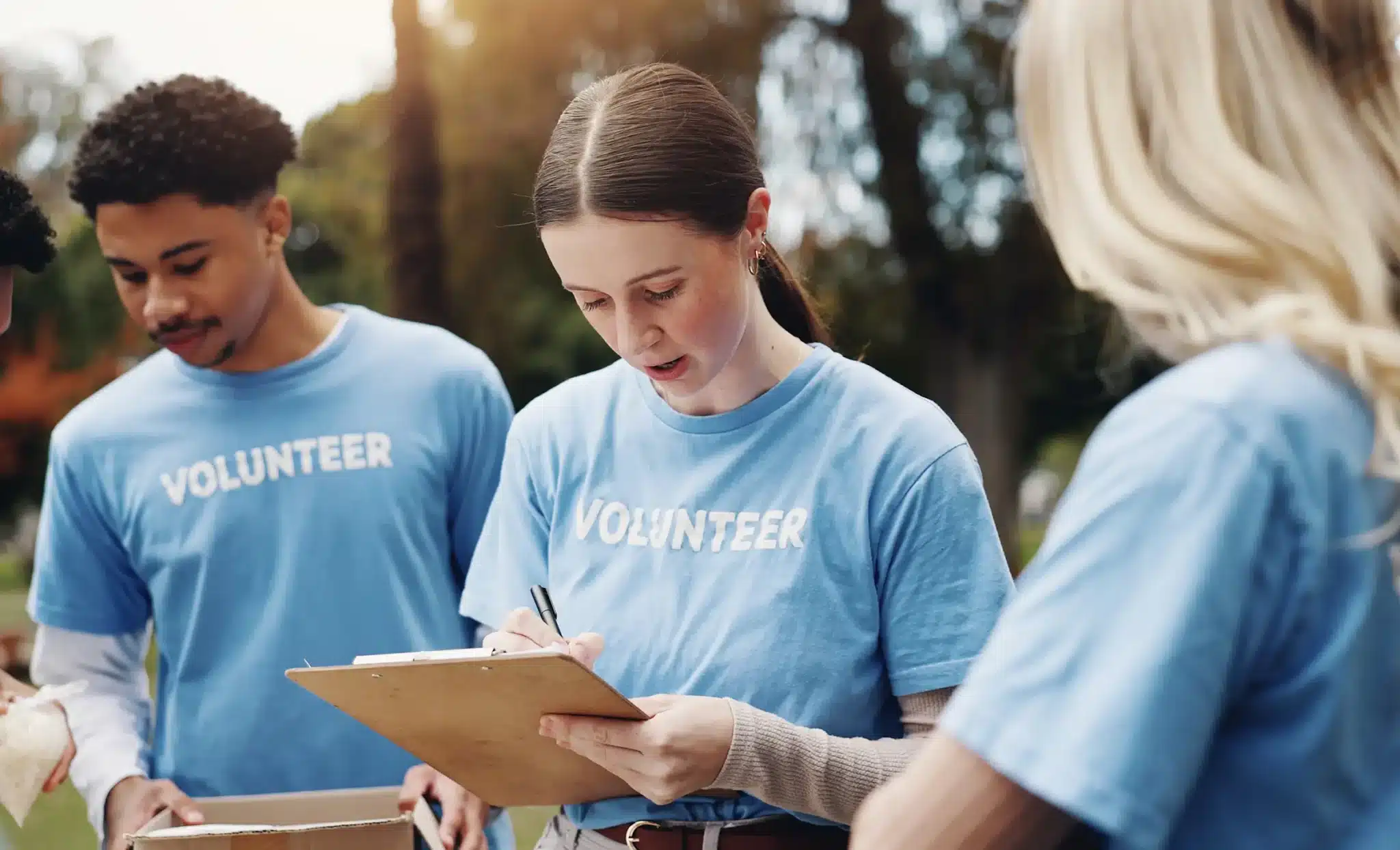
Volunteer hours and small donations keep these centers running. Every group named here welcomes both, so start with whichever one sits closest to home.
Running a business? Look closely at your job application. A steady paycheck is one of the strongest predictors of lasting recovery, yet a single background question can knock someone out of the running before they even interview.
Recovery Month FAQs
Is September National Recovery Month?
Yes, and it has been since 1989. National Recovery Month runs the length of September across Maine and the whole country. August 31 is International Overdose Awareness Day, while September 30 closes things out as International Recovery Day.
What Color Is Recovery Month?
Purple. International Recovery Day traces the color back to the movement’s founding in 1989, with its use expanding after International Overdose Awareness Day began in 2001. Expect to see buildings across Maine lit purple as the month closes.
Where Do I Find Events Near Me?
Your closest recovery community center is the best first stop. Portland posts a full calendar online, knowyouroptions.me tracks listings across the state, and Healthy Acadia covers Hancock and Washington counties. Anything not covered there, 211 can point you toward.
Getting Help in Portland

Think of this month as a nudge, not a countdown clock. Readiness does not check a calendar, so September carries no more weight than March or November.
Liberty Bay Recovery Center sits in Portland and provides medical detox and residential treatment built on a therapeutic community model, where peers in the program shape the work alongside clinical staff. We also serve people from across the state and work closely with local partner organizations throughout Maine. Call and ask what daily life there actually looks like.
If you are in Maine and weighing this decision, call us at (855) 607-8758. Prefer not to call a treatment center just yet? Dial 211 instead, or simply walk into your nearest recovery community center. Neither option costs anything, and neither one will pressure you into a decision.
Sources
- Margaret Chase Smith Policy Center (2026) Maine Monthly Overdose Report: December 2025 and June 2026. University of Maine. Available at: https://mainedrugdata.org (Accessed 25 August 2026).
- Office of Governor Janet Mills (2026) Overdose deaths continue to decline in Maine, 24 February. Available at: https://www.maine.gov/governor/mills/ (Accessed 25 August 2026).
- Maine Department of Health and Human Services (2025) Syringe Service Programs in Maine: 2025 Annual Report. Maine State Legislature. Available at: https://legislature.maine.gov/doc/12453 (Accessed 25 August 2026).
- Maine Department of Health and Human Services (n.d.) Crisis and Support Hotlines. Available at: https://www.maine.gov/dhhs (Accessed 25 August 2026).
- Maine OPTIONS Program (n.d.) Know Your Options. Available at: https://knowyouroptions.me (Accessed 25 August 2026).
- International Recovery Day (n.d.) Why Purple? Available at: https://internationalrecoveryday.org (Accessed 25 August 2026).
- Substance Abuse and Mental Health Services Administration (n.d.) National Recovery Month Digital Toolkit. Available at: https://www.samhsa.gov/about/digital-toolkits/recovery-month (Accessed 25 August 2026).


