

The Question Behind the Question
Most people don’t ask this out of curiosity. They ask because they’re a few months into recovery, yet everything feels muted, focus is gone, and they need to know if this damage is permanent.
Most of it is temporary, but not all; and every timeline is different. This piece walks through what research actually shows, including the parts researchers still argue about. A tidy invented timeline helps no one.
What Substances Change in the Brain
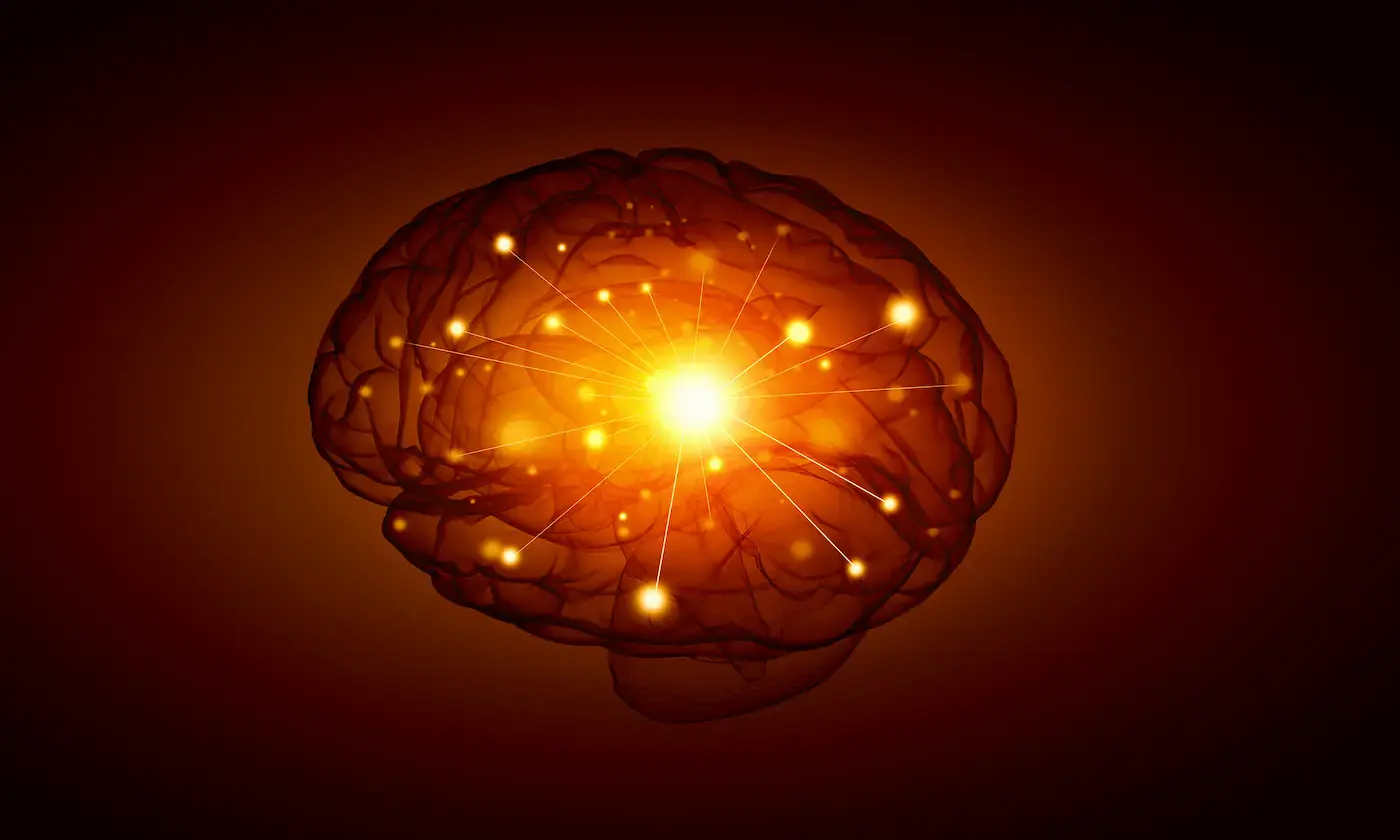
Three brain systems shift during heavy use, and they move in opposite directions. That mismatch explains a lot of what recovery feels like.
The Reward System
A deep brain circuit marks certain things as worth pursuing (food, connection, accomplishment) mostly through dopamine signaling.
Substances flood that circuit far more intensely than daily life ever could. Over time, the circuit protects itself by dialing down its own sensitivity. NIDA, the National Institute on Drug Abuse, describes this adjustment as fewer neurotransmitters released and fewer receptors available to catch the signal. Once that happens, both the substance and everyday pleasures feel weaker.
The Prefrontal Cortex
The brain’s planning and impulse-control center sits at the front, and heavy use weakens it compared to older, faster survival circuits.
That’s why willpower alone rarely works. The exact region responsible for making good decisions is the one that took the hit.
The Stress System
Fewer people know about this third shift, yet it’s often what people feel the most. Long-term use makes the brain’s stress circuitry, centered in the extended amygdala, more reactive, not less.
As reward signals fade, anxiety, irritability, and unease tend to climb. Reward gets quieter. Stress gets louder.
Why It Feels Flat at First

Dopamine Downregulation Explained Plainly
Brain scans repeatedly show fewer available D2 dopamine receptors in people with substance use disorders, compared to people without. One study of methamphetamine users found roughly a 16% gap in a key brain region, and similar patterns appear with alcohol, cocaine, and heroin.
These receptors pick up the reward signal, so having fewer of them means ordinary joys register more faintly, not that they vanish.
This isn’t the same as your brain no longer producing dopamine, a common myth. Scans measure receptor availability, not production. It’s also unclear how much use itself causes this versus a trait some people already had beforehand, a question science hasn’t settled.
Anhedonia and When It Lifts
Anhedonia describes the clinical experience of things that should feel good falling flat.
A study following 102 people after alcohol detox found anhedonia present at every checkpoint, from two weeks to a full year sober. The sharpest improvement showed up between month one and month two.
So it does lift, fastest early on, though a lingering trace can stick around for months. No study pins down exactly when it fully disappears.
The Healing Timeline

There’s no universal recovery clock. Every figure below comes from a study with real limits, usually small and mostly male samples. This means that group averages won’t predict any one person’s experience.
Weeks One to Two
This stretch holds more hidden progress than any other period. One study of 49 detoxed patients found cerebellar volume loss nearly resolved after just two weeks off substances. Cortex regions lag, though basic processing speed starts picking up early.
This is usually the hardest emotional stretch too, real healing with zero felt reward, a tough combination.
Month One
Structural recovery moves fastest between week one and the one-month mark. Repeated scans show more gains in brain volume and thickness during that first month than over the six months after it. Recovery front-loads itself, but none of this happens visibly, which makes it hard to track or celebrate.
Months Two and Three
This is usually when people start noticing visible changes. Mood steadies, mental fog lifts, and anhedonia has typically improved the most by now. It’s also when confidence can overtake reality a bit. Feeling better isn’t the same as being fully healed. This critical window often lines up with peak reactivity to using-related cues and triggers.
Months Four to Twelve
Progress slows, but it does keep going. Attention, decision-making, and fine motor skills mostly bounce back within about six months. Verbal and visual memory typically catch up between months six and twelve. By this point, most people stop thinking about their brain.
Year Two and Beyond
Repair continues well past year one. The strongest evidence comes from a long-term study tracking 47 people with alcohol dependence and 56 without, scanned repeatedly across one to eight years. Those who stayed sober showed white matter trending back toward normal, described as fiber reorganization and myelin rebuilding. Those who returned to heavy drinking saw damage accelerate instead.
That’s the key takeaway: recovery doesn’t end at a discernible finish line. It keeps going as long as sobriety does, and reverses if drinking resumes.
What Recovers Fully
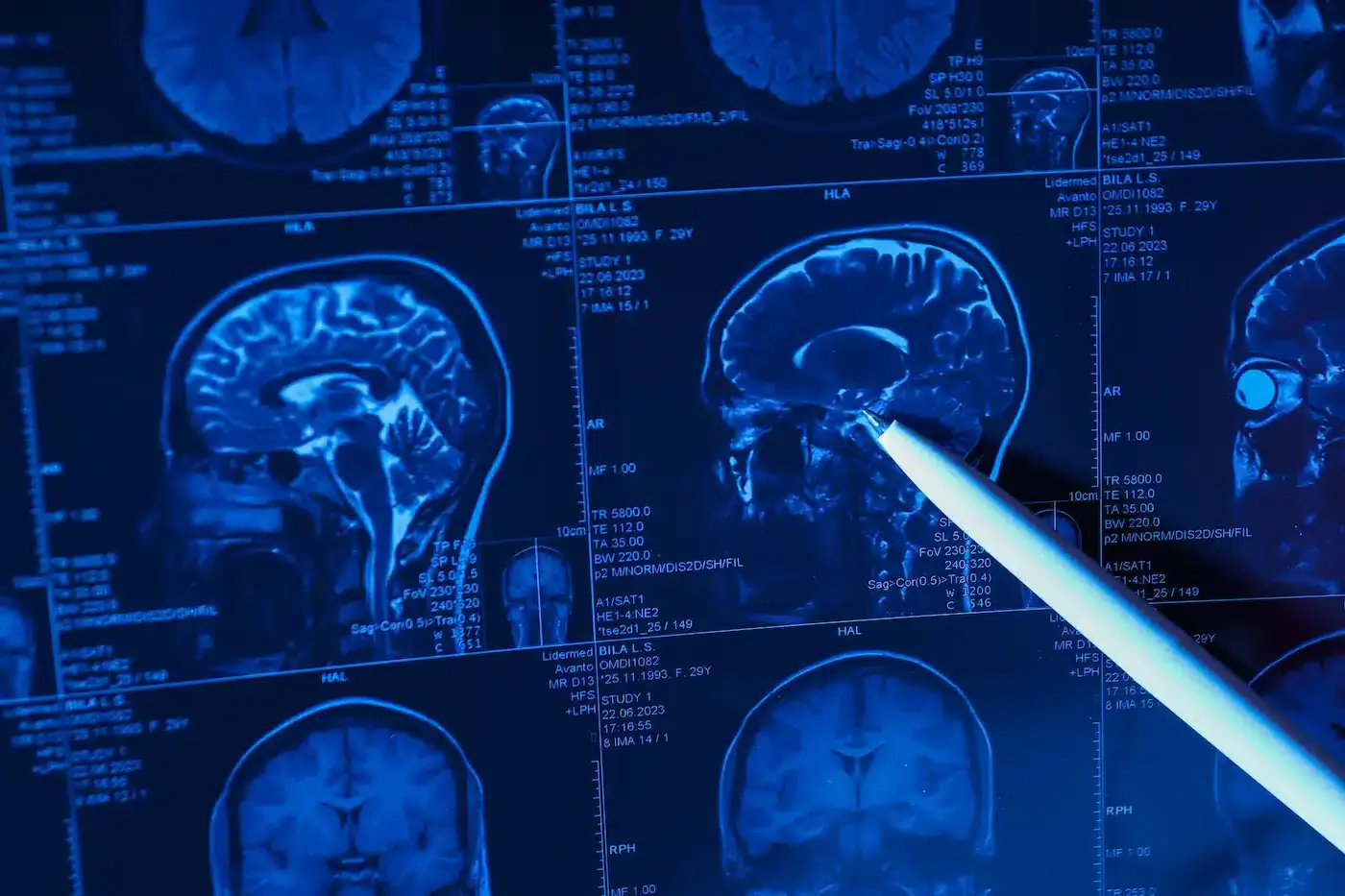
Researchers use “fully” very carefully here, and so should we.
Basic processing speed, attention, impulse control, and fine motor skills come closest to complete recovery. Sleep and mood improve for most people, and white matter keeps trending toward normal over the span of years.
One 2023 study of 40 participants found cortical thickness near normal in 24 of 34 brain regions after roughly seven months sober, the most encouraging finding in this research field.
What Recovers Partially
The same research team, measuring brain volume instead of thickness, found gray matter still smaller than average. This held across nearly every region at 7.5 months. Different measurement, different group, different conclusion.
Cognitive recovery remains a source of genuine debate. A 2013 review of 62 studies concluded most alcohol-related thinking problems resolve within a year. A tighter 2020 review of 34 studies covering 2,786 people found memory issues in particular persisting past that mark, directly challenging the earlier conclusion.
Both hold up under scrutiny, and researchers haven’t found a resolution or settled the disagreement yet.
For stimulants, the most cited finding shows dopamine transporter levels in methamphetamine users recovering substantially after about 14 months sober. That study, however, scanned only five people twice, and their actual memory and thinking gains weren’t statistically significant. A related study found some brain regions bounced back while striatal activity stayed below normal, possibly explaining lingering low motivation.
What Is Permanent, and What That Means in Practice
Some damage doesn’t reverse, and pretending otherwise would undercut everything else here.
- Korsakoff syndrome. Wernicke encephalopathy comes from thiamine deficiency and counts as a medical emergency. Caught early, it’s reversible. Left untreated, it typically progresses into Korsakoff syndrome, which brings mostly permanent memory loss. That’s why detox programs give thiamine routinely, and why confusion, poor coordination, or eye movement issues in a heavy drinker need immediate emergency care.
- Some memory problems persist too. A 2020 review found deficits lasting past a year of sobriety for many people. In practice, this usually means relying more on notes and reminders rather than losing daily function, and most people adjust without much trouble once they’re aware of the issue.
- Some structural differences. Several studies have found differences that also remain measurable on scans months after use stops. A visible difference on imaging doesn’t necessarily equal a noticeable problem in daily life, though, and plenty of people with these differences work, parent, and thrive.
The real question isn’t whether your brain returns to its exact prior state. It’s whether it returns to functioning well, and for most people, it does.
What Speeds It Up

Sleep
Sleep drives much of the brain’s repair and consolidation work, yet it’s often the first thing disrupted early in recovery.
If insomnia lingers past the first few weeks, ask about cognitive-behavioral therapy for insomnia specifically. A 2023 trial among people in alcohol treatment found it beat standard sleep hygiene advice for both insomnia severity and sleep efficiency.
Exercise
Exercise is worth doing, just not always for the reason people assume. Claims about exercise repairing the brain through BDNF (Brain-Derived Neurotrophic Factor) and new neuron growth come almost entirely from rodent studies. Some of that same signaling also links to more craving, not recovery. No human research shows exercise regrowing an addicted brain.
What human data does support is that exercise meaningfully reduces depression symptoms and boosts fitness in people with alcohol use disorder. That’s reason enough on its own, even without the neuroscience claim attached to it.
Learning Something New
This gets recommended often, though direct evidence for it speeding brain recovery from addiction is thin. No study confirms that cognitive training or new learning accelerates healing here specifically.
Still, it’s low risk, fills time productively, and most people feel better doing it. Just don’t expect it to rewire anything on its own.
Connection
This has stronger backing than almost anything else on this list. A Cochrane review spanning 27 studies and 10,565 participants found structured twelve-step facilitation improved continuous sobriety at the twelve-month mark compared to other treatment approaches.
The logic is simple. Staying in recovery is what gives the brain time to keep healing, and strong connection is one of the biggest predictors of staying in recovery.
What Does Not Help
- Dopamine detoxes and dopamine fasting: you cannot reset dopamine levels by avoiding stimulation. The real issue is receptor availability, which a behavioral fast doesn’t touch, though the underlying advice to unplug isn’t unreasonable on its own.
- Brain repair supplements and nootropics: searching the science turns up mostly marketing. Thiamine is the one nutrient with real backing, and even there, a randomized trial found no extra benefit from high doses over standard ones.
- Continued smoking: across multiple studies, people who smoked showed less gray and white matter recovery during sobriety than nonsmokers. Quitting smoking has better evidence behind it for brain healing than any supplement sold today.
Age, Length of Use, and Substance Type
Age plays a significant role in brain recovery. Older adults tend to show less recovery on average, and smoking compounds that effect. How long and how heavily someone used is also a big factor. Continued use is the single strongest predictor of poor outcomes.
And then there’s the substance itself. Neurochemical recovery tends to start soon after stopping, especially with alcohol. Cannabis withdrawal typically resolves within days to weeks. Benzodiazepine and alcohol recovery can stretch across months or years.
One significant gap needs mention: most research focuses on men. Several major studies were 90% male or entirely male, and the leading cognitive review even lists this as a limitation. Applying these findings to women requires more guesswork than most sources admit.
Why This Matters for Decision Making in Early Recovery
In the first few months, the part of the brain that weighs consequences isn’t fully back online, while the stress and urgency circuits run in overdrive. That combination makes big decisions risky.
The safer move is avoiding anything irreversible for now. Write major decisions down, set a date 90 days out, and let a steadier version of yourself weigh in later. The last thing you want in such a delicate time is to let a stress response cause a poor judgment call.
Frequently Asked Questions
Does the Brain Fully Recover From Addiction?
Largely yes, for most people, across months to years. A review of 45 long-term imaging studies found at least partial recovery in every area studied, with brain structure healing before function catches up.
Whether “full” recovery is accurate depends on what’s measured. Some studies show near-normal results by seven months, others find lasting differences. What’s consistent is that healing is real, strongest in month one, and continues for years as long as sobriety holds.
How Long Until Dopamine Returns to Normal?
No human study offers a real dopamine receptor recovery timeline, so specific numbers floating around online, including the popular 90-day claim, aren’t backed by anything.
What research has shown is that methamphetamine users’ dopamine transporter levels improved substantially over roughly 14 months, based on a five-person study. Many people report ordinary pleasures returning somewhere between months two and four.
Is Brain Damage From Alcohol Reversible?
Much of it, yes, partially. Brain volume and cortical thickness increase during sobriety, white matter keeps improving over years, and most cognitive skills recover within six to twelve months.
Korsakoff syndrome is the major exception and is largely permanent, which is exactly why thiamine treatment during detox matters so much. Some memory issues may linger, and returning to heavy drinking reverses any progress made.
Evidence-Based Treatment in Portland

The most reliable thing anyone can do for brain healing is stay sober, and that’s far easier with support than without it.
Liberty Bay Recovery Center, located in Portland, Maine, offers medical detox and residential treatment built on a therapeutic community model. We also offer SMART Recovery alongside traditional programs, since people stick with whatever approach actually fits them. Learn more about our addiction treatment services.
If you’re three months in and worried something broke permanently, that’s one of the most common calls we get, and it’s usually about the timeline, not the damage. Call us at (855) 607-8758.
Sources
- Kelly, J.F., Humphreys, K. and Ferri, M. (2020) Alcoholics Anonymous and other 12-step programs for alcohol use disorder. Cochrane Database of Systematic Reviews, Issue 3, Art. No. CD012880. Available at: https://www.cochranelibrary.com/cdsr/doi/10.1002/14651858.CD012880.pub2/full (Accessed 31 August 2026).